


Emergency Department
Spooner Health Donates Bike Helmets to Youth Bike Program
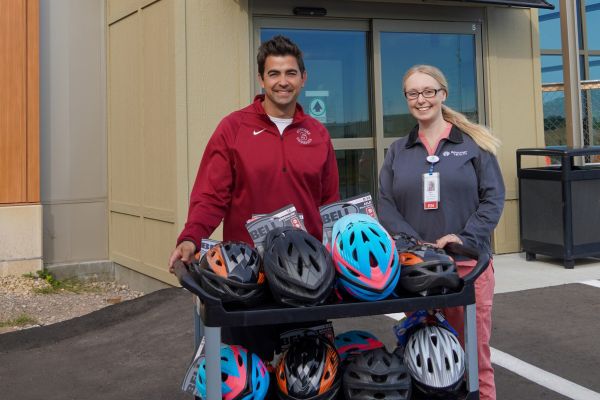
As part of its commitment to trauma prevention and community safety, Spooner Health recently donated 26 bike helmets to Spooner Middle School’s bike program that has been developed under the…
Read More5 Signs You Should Go to the Emergency Department Immediately
When a medical emergency strikes, every second counts. Recognizing the signs that warrant a trip to the emergency department (ED) can make the difference between life and death, or between…
Read MoreSpooner Health Shows Commitment to Mental Health with New Telepsychiatry Assessments
There’s no doubt that mental health issues are a concern in Washburn County. According to Spooner Health’s 2022 Community Health Needs Assessment, conducted in partnership with the Washburn County Health…
Read MoreCare, Compassion and Professionalism – One Patient’s Perspective
For most out-of-towners, the Northwoods is a retreat from the everyday hustle of a busy life. From the peaceful quiet of a sunset over the lake to the roaring engine…
Read MoreCare, Compassion and Professionalism – One Patient’s Perspective
For most out-of-towners, the Northwoods is a retreat from the everyday hustle of a busy life. From the peaceful quiet of a sunset over the lake to the roaring engine…
Read More