


Better Care, Better Results
Occupational therapists help people with physical, developmental, emotional or mental conditions. Our therapists help individuals who experience these disabling conditions develop, recover and maintain daily living and work skills. The goal of the occupational therapy program at Spooner Health is to help patients have an independent, productive and satisfying life.
To help patients achieve independence, occupational therapists often retrain the skills used in everyday life. Our occupational therapists also work closely with other members of the therapy services team to provide the most effective care plan.
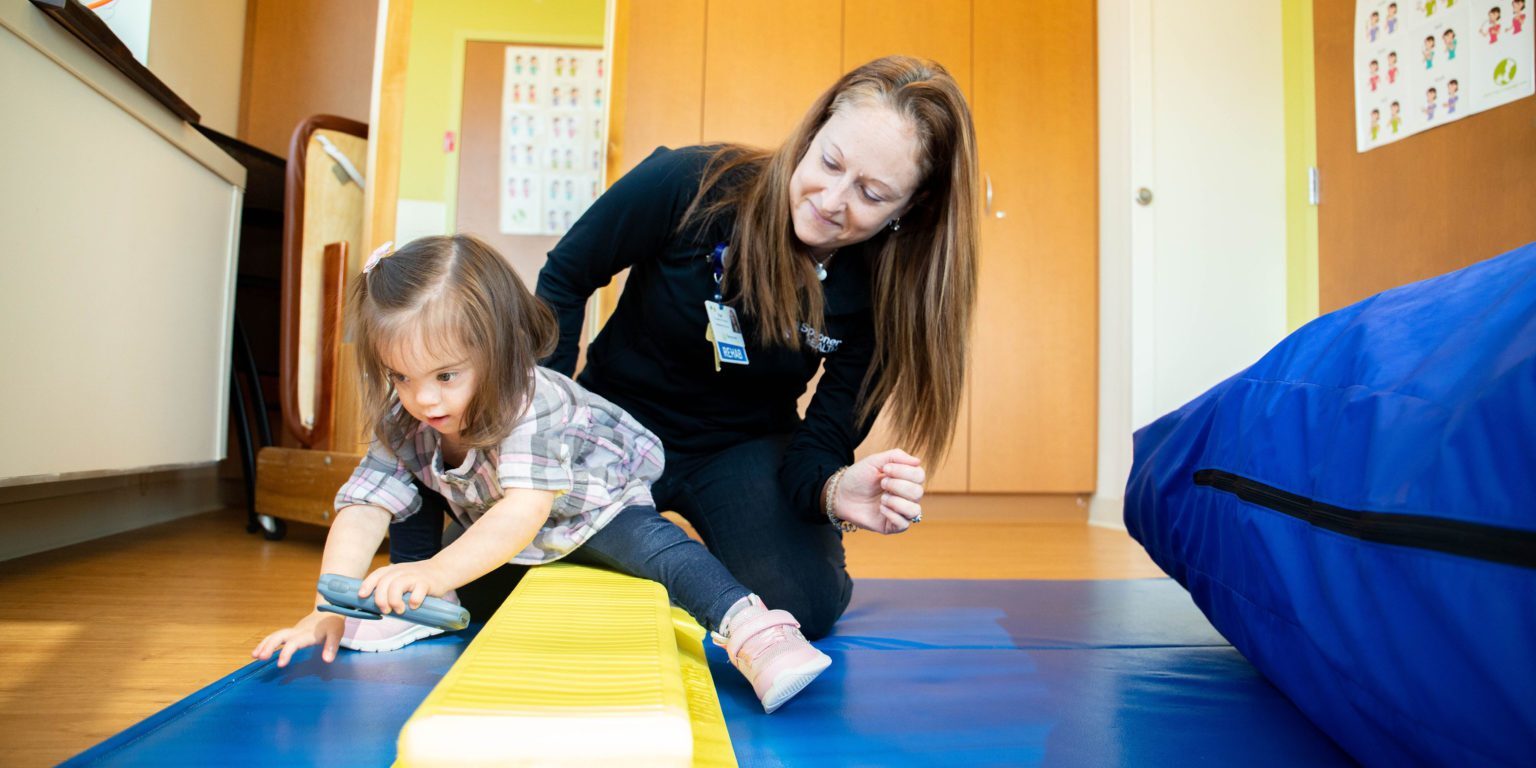
What Types of Conditions can Occupational Therapy Help With?
Pediatrics:
- Developmental delays
- Sensory processing disorders
- Autism and pervasive development disorders
- Behavioral concerns
- Feeding concerns
Hand/Elbow Therapy:
- Post-surgical
- Upper extremity fractures
- Tendon injuries
- Nerve injuries/Brachial plexus injuries
- Repetitive stress injuries
- Hand, wrist, forearm, and elbow pain
Neurological:
- Spinal Cord Injury
- Stroke
- Parkinson’s Disease
- Brain Injury
- Dementia
Specialized Care:
- Dry Needling
- Custom upper extremity orthosis fabrication
- Evaluation, education, and information for wheelchairs or motorized scooters
- Manual therapy
- SOS Approach to Feeding ®
What types of treatments are available?
- Daily activity retraining: Practicing everyday tasks so you can do them more safely and independently, such as getting dressed, bathing, cooking, or using your hands.
- Functional therapeutic activities: Doing exercises and activities that help improve your ability to perform real-life tasks.
- Manual therapy: Hands on treatment from a skilled occupational therapist, such soft tissue mobilization, stretching, or moving a joint to help reduce pain and improve movement.
- Modalities for reducing pain or facilitating participation in meaningful occupations: Using treatments such as heat, ice, electrical stimulation, dry needling, or other techniques to reduce pain or make it easier for you to participate in activities that are important to you.
- Neuromuscular re-education: Practicing movements to help your brain, nerves, and muscles work together better and improve coordination, balance, or control.
- Therapeutic exercise for facilitating participation in meaningful occupations: Doing specific exercises to build strength, flexibility, endurance, or movement so you can better perform activities that are important in your daily life.

Occupational Therapy Providers
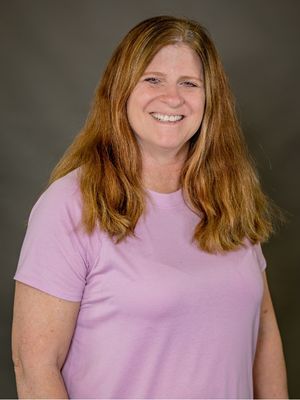
Cori Miller, OTR
Cori Miller, OTR Medical Degree: MS in Occupational Therapy, Saint Catherine University 2011 BS in Special Education, Saint Cloud State University 1993 Personal Interests: Reading, spending time with family, taking…
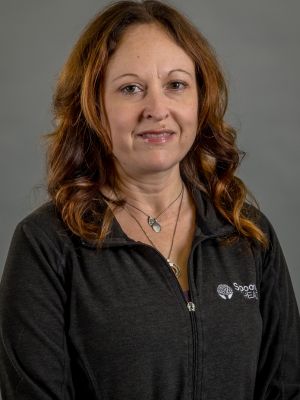
Kati Stumph, OTR
Kati Stumph, OTR Medical Degree: MS in Occupational Therapy, Concordia University 2016 BS in Rehabilitative Science, Concordia University 2014 OTA, WITC-Superior 2010 Personal Interests: Spending time with family, hobby farming…
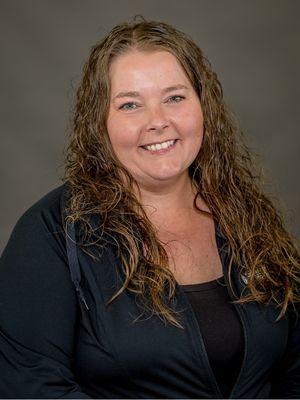
Erin VanGuilder, COTA
Erin VanGuilder, COTA Education: Occupational Therapist Assistant: Rehabilitation Specialist, WITC 2018 Specialties: Outpatient Pediatric/Adult/Geriatric Services, School Based Therapy, Acute Care Personal Interests: Spending quality time with family, being outdoors, gardening…

How to Get Here:
For driving directions, please visit our Contact page. When arriving at Spooner Health, follow the signs for the Main Hospital Entrance. This entrance is centrally located between the Clinic entrance and the Emergency entrance.
To learn more or schedule your appointment, please call 715-939-1745.