


Top 5 Conditions That Benefit from Physical Therapy
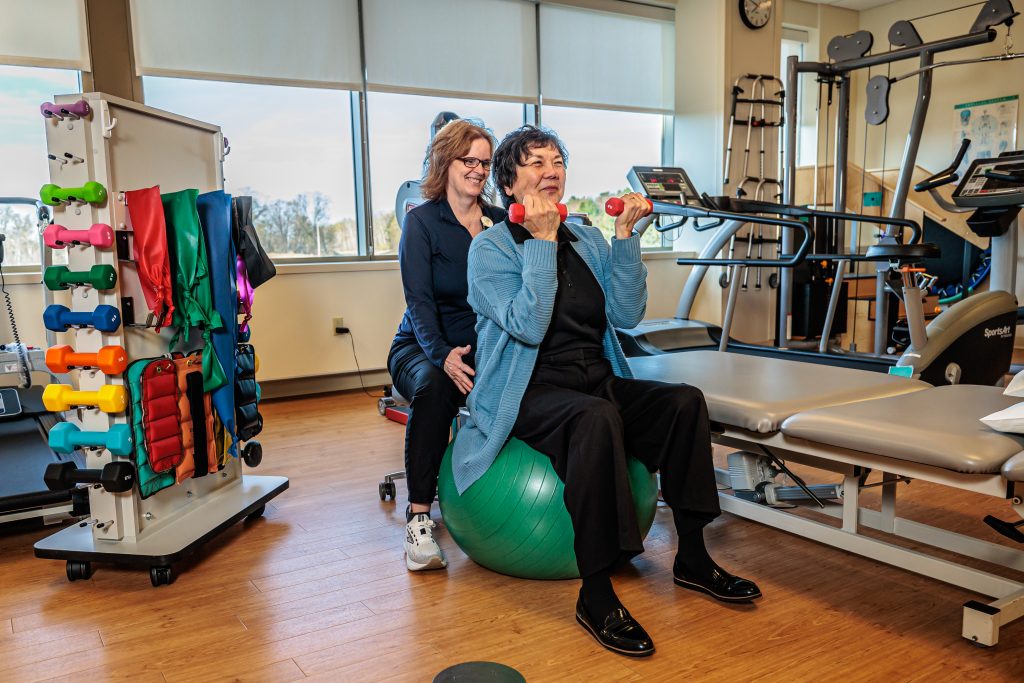
Physical therapy is more than just exercise—it’s a patient-centered approach to healing that helps people of all ages reclaim their strength, mobility, and quality of life. Whether you’re dealing with persistent pain, returning from surgery, or trying to get back into your favorite activities, physical therapy can make a meaningful difference. At Spooner Health, our expert physical therapists create personalized plans designed to meet your individual needs and goals.
Here are five common conditions that especially benefit from physical therapy and why early intervention matters.
1. Arthritis and Joint Pain
Arthritis is one of the most widespread causes of chronic pain and reduced mobility, affecting millions of adults nationwide. Physical therapy plays a crucial role in managing arthritis symptoms by:
- Strengthening muscles that support the joints
- Improving joint mobility and flexibility
- Teaching safe movement patterns that reduce stress on joints
- Offering techniques to minimize pain without relying solely on medication
A skilled physical therapist can tailor gentle stretches and strengthening exercises specific to the joints affected, helping you move more comfortably and maintain an active lifestyle. Evidence suggests that therapeutic exercise and adapted physical activities should be considered foundational in arthritis care, often reducing pain and improving function without invasive interventions.
2. Back Pain and Spinal Disorders
Low back pain is one of the most common reasons people seek medical care and one of the most frequent referrals to physical therapy. Whether your back pain stems from musculoskeletal issues, poor posture, a herniated disc, or repetitive strain, physical therapy can help by:
- Teaching proper body mechanics
- Strengthening the core and back stabilizers
- Reducing stiffness through manual therapy and mobility work
- Offering education on daily postures and movement patterns
Physical therapists evaluate the root causes contributing to pain and dysfunction. Instead of masking symptoms, they address underlying problems which often improves strength and balance so patients can return to daily routines pain-free.
3. Sports Injuries and Musculoskeletal Strains
You don’t have to be a competitive athlete to experience a sports-related injury. Strains, sprains, tendonitis, and muscle tears can occur during workouts, recreation, or even chores around the home.
Physical therapy benefits these injuries by:
- Restoring full range of motion
- Rebuilding strength and flexibility
- Reducing pain through targeted modalities like manual therapy, ultrasound, or heat/cold modalities
- Creating sport-specific training plans to prevent re-injury
A customized rehabilitation plan doesn’t just help you heal; it prepares your body to get back to the activities you love with confidence and resilience.
4. Post-Surgical Recovery
Major surgeries, especially orthopedic procedures like joint replacements, ligament repairs, or spinal surgery, often require significant rehabilitation to return to normal function. Physical therapy after surgery:
- Helps restore strength and coordination
- Minimizes scar tissue formation
- Improves flexibility and joint range
- Reduces pain and dependence on pain medications
Through a step-by-step recovery plan, physical therapists help you rebuild motion and strength safely, ensuring you reach your optimal recovery more quickly and with fewer setbacks. Many surgeons now recommend physical therapy as an essential part of successful surgical outcomes.
5. Balance Disorders and Fall Prevention
Balance problems can stem from aging, inner ear dysfunction, neurological conditions, or simply weakened muscles. Regardless of the cause, a loss of balance increases the risk of falls which is one of the leading causes of serious injury, especially among older adults.
Physical therapy addresses these issues by:
- Assessing balance and gait patterns
- Designing exercises that improve coordination and proprioception
- Training strategies to safely manage daily movement
- Modifying the home environment to reduce risks
Rehabilitation doesn’t only treat balance problems. It helps people prevent dangerous falls and maintain independence in their everyday lives.
How Physical Therapy Works at Spooner Health
At Spooner Health, physical therapy starts with a comprehensive evaluation. Your therapist will:
1. Review your medical history and concerns.
2. Assess your movement, strength, balance, and pain level.
3. Develop a customized plan tailored to your goals.
4. Guide you through progressive sessions, adjusting as you improve.
Your plan may include hands-on manual therapy, therapeutic exercises, balance training, neuromuscular re-education, gait training, and pain-relief modalities. Every step is geared toward restoring your function and confidence.
Frequently Asked Questions (FAQ)
Q: What exactly does a physical therapist do?
A: Physical therapists are movement experts who evaluate your physical function, identify limitations, and design personalized plans that improve mobility, reduce pain, and restore strength. They use therapeutic exercises, manual therapy techniques, balance training, and patient education to help you reach your goals.
Q: Do I need a doctor’s referral to start physical therapy at Spooner Health?
A: This is dependent on your insurance carrier and on the condition you are seeking care for. By calling our rehab department, we can provide you with more guidance on this topic.
Q: How long will physical therapy take?
A: The duration varies based on your condition, goals, and progress. Some patients improve in a few weeks, while others with chronic conditions may participate in therapy for several months. Your therapist will set expectations and milestones along the way.
Q: Will physical therapy hurt?
A: Some exercises may cause mild discomfort, especially early in recovery. However, physical therapy should never cause sharp pain. Therapists carefully tailor treatments to avoid hurting you while making steady progress.
Q: Can physical therapy help me avoid surgery?
A: For some conditions, especially joint pain, back pain, and certain musculoskeletal issues, physical therapy can reduce or eliminate the need for surgery by strengthening muscles and improving joint function. Your therapist and physician can work together to determine the best course of treatment.
Q: Is physical therapy only for older adults?
A: Not at all. While physical therapy is invaluable for age-related conditions, people of all ages benefit—from adolescent athletes to adults recovering from injuries or managing chronic pain.
Get Started with Spooner Health Physical Therapy
If you or a loved one are experiencing pain, reduced mobility, or are recovering from injury or surgery, physical therapy can be a powerful step toward better health. Spooner Health’s trusted therapists are ready to help you move better, feel better, and live better.