


Why Preventive Imaging Screenings Can Save Your Life
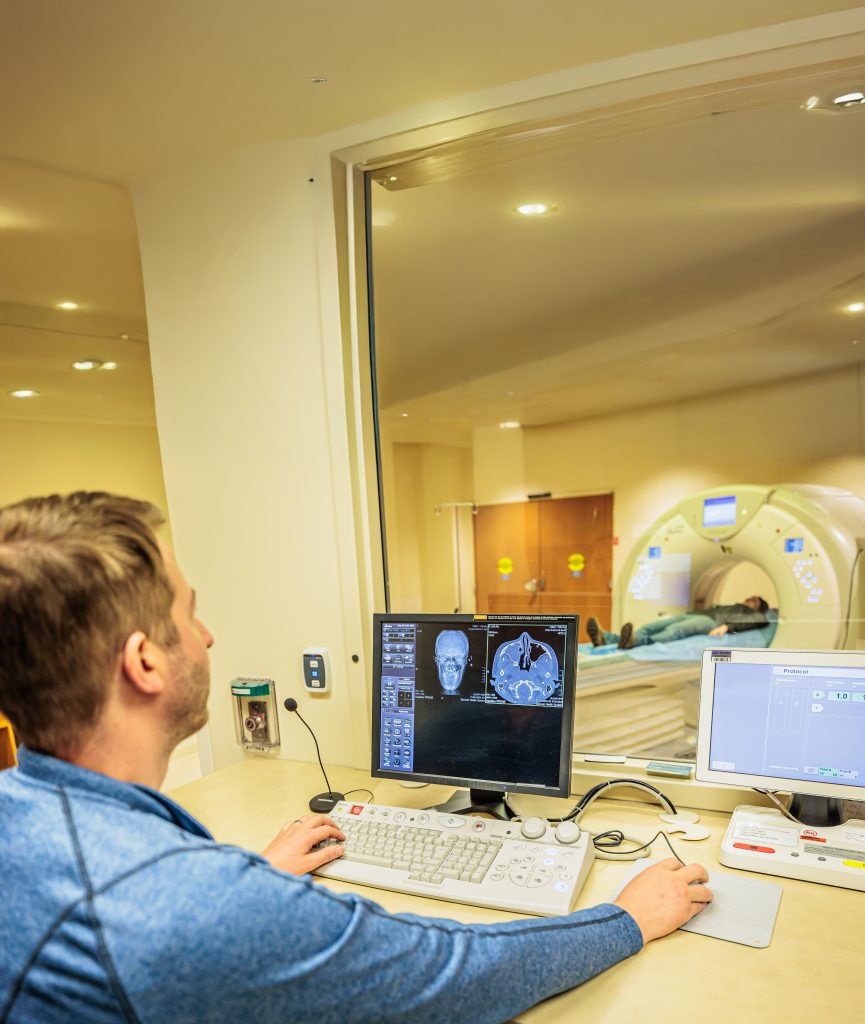
When it comes to protecting your long-term health, early detection can make all the difference. Many serious conditions, including cancer, osteoporosis, heart disease, and other chronic illnesses, can develop silently without noticeable symptoms. Preventive imaging screenings help physicians identify potential health concerns early, often times before symptoms begin, giving patients more treatment options and better outcomes.
At Spooner Health, diagnostic imaging plays an important role in helping patients throughout northwestern Wisconsin stay proactive about their health. From mammograms and bone density scans to CT screenings and ultrasounds, preventive imaging services can provide peace of mind and potentially lifesaving answers.
What Are Preventive Health Screenings?
Preventive health screenings are medical tests used to detect diseases or abnormalities before symptoms appear. Unlike imaging ordered after an injury or illness develops, preventive imaging focuses on catching health concerns in their earliest and most treatable stages.
Common types of preventive imaging screenings include:
- Mammograms for breast cancer detection
- Low-dose CT scans for lung cancer screening
- DEXA scans for osteoporosis and bone health
- Screening Aorta Ultrasound
These screenings allow healthcare providers to identify subtle changes in the body that may otherwise go unnoticed.
Why Early Detection Imaging Matters
Early detection imaging can significantly improve treatment outcomes. In many cases, diseases discovered in their early stages are easier to treat and may require less aggressive interventions.
For example:
- Breast cancer found early through mammography has a much higher survival rate.
- Lung cancer screenings can detect tumors before symptoms begin.
- Bone density scans can identify osteoporosis before a fracture occurs.
- Vascular imaging may help detect circulation problems before complications arise.
Preventive imaging is not just about finding disease. It is also about preventing more serious health issues from developing.
Mammograms: A Critical Screening for Women’s Health
One of the most important preventive health screenings available today is mammography. Regular mammograms help detect breast cancer early, often before a lump can be felt.
The American Cancer Society recommends women discuss mammogram schedules with their healthcare provider beginning around age 40, depending on personal risk factors.
3D mammography technology can provide even more detailed breast imaging, helping radiologists detect abnormalities earlier and reduce false positives. For many women, annual mammograms are one of the most effective tools for protecting long-term health.
Bone Density Testing and Osteoporosis Prevention
Osteoporosis affects millions of adults, especially women over 50. Because bone loss occurs gradually and without symptoms, many people do not realize they have osteoporosis until they experience a fracture.
A DEXA scan, also known as a bone density test, measures bone strength and helps determine fracture risk. Early detection allows patients and physicians to take proactive steps through lifestyle changes, supplements, or treatment plans that support stronger bones and reduce future complications.
Preventive bone health screenings are especially important for:
- Postmenopausal women
- Adults with a family history of osteoporosis
- Individuals taking long-term steroid medications
- Patients with prior fractures
Lung Cancer Screening Can Save Lives
Lung cancer remains one of the leading causes of cancer-related deaths, but early detection imaging has improved outcomes dramatically for high-risk individuals.
Low-dose CT lung screenings are recommended for some current and former smokers who meet certain age and risk guidelines. These scans can identify small abnormalities before symptoms develop, allowing for earlier intervention and treatment.
Patients who qualify for preventive lung cancer screening should speak with their healthcare provider about whether annual low-dose CT imaging is appropriate for them.
Preventive Imaging Provides Peace of Mind
Not every screening uncovers a major health issue, and that is good news. Preventive imaging can also provide reassurance when results are normal.
For many patients, staying proactive with routine screenings helps reduce uncertainty and encourages healthier long-term habits. Knowing your health status allows you and your provider to make informed decisions about future care.
Choosing Local Diagnostic Imaging Services
Access to local diagnostic imaging services is especially valuable for patients in rural communities. Having trusted imaging services close to home can make it easier to stay current with recommended screenings and follow-up appointments.
With Spooner Health Diagnostic Imaging Services, patients have access to advanced imaging technology and experienced healthcare professionals without needing to travel far for care. Having the latest technology right here in Spooner means that top-notch imaging services are available when it’s convenient for you.
Whether you need a routine mammogram, bone density scan, CT screening, or another imaging service, preventive care is an important investment in your future health.
Prioritize Your Health With Preventive Screenings
Preventive health screenings are one of the most effective ways to identify health concerns early and improve treatment success. Early detection imaging helps patients take control of their health before symptoms become serious problems.
If you are due for a screening or have questions about preventive imaging options, talk with your healthcare provider about which tests may be right for you.
Frequently Asked Questions
What are preventive health screenings?
Preventive health screenings are medical tests used to identify diseases or health conditions before symptoms appear. Imaging screenings can help detect issues early, when treatment is often more effective.
What types of preventive imaging are most common?
Common preventive imaging screenings include mammograms, DEXA bone density scans, low-dose CT lung screenings, and Aortic screening ultrasound.
How often should you get a mammogram?
Screening recommendations vary based on age and risk factors, but many women begin annual mammograms around age 40. Your healthcare provider can recommend the right schedule for you.
What is a DEXA scan used for?
A DEXA scan measures bone density and helps detect osteoporosis or fracture risk before serious bone injuries occur.
Who qualifies for lung cancer screening?
Low-dose CT lung screenings are typically recommended for adults with a significant smoking history who meet certain age and risk criteria.
Are preventive imaging screenings covered by insurance?
Many preventive screenings are covered by insurance plans, especially when recommended based on age or risk factors. Patients should check with their insurance provider for specific coverage details.
Why is early detection imaging important?
Early detection imaging can identify diseases before symptoms develop, allowing for earlier treatment, better outcomes, and potentially lifesaving care.