

Program Benefits
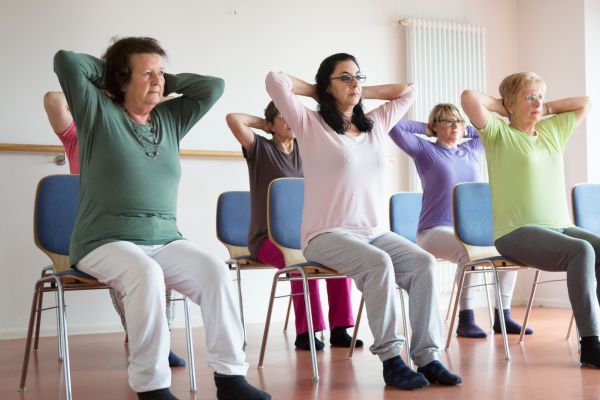
The PowerUP Voice & Movement exercise group offers numerous benefits for individuals with Parkinson's disease and other neurological disorders. Participants can expect to improve their physical mobility, enhance speech clarity, and boost overall confidence through structured movement activities specifically designed for their needs.
Research shows that regular participation in exercise programs like PowerUP can lead to significant improvements in motor skills and quality of life. By engaging in tailored exercises, attendees not only work on their physical health but also enjoy social interaction, which is vital for mental well-being.
How to Participate
Joining the PowerUP Voice & Movement exercise group is straightforward. Interested individuals can contact Spooner Health Rehabilitation Services for more information or simply attend the sessions held on the second Wednesday of each month at the designated venue.
To ensure a welcoming environment, first-time attendees are encouraged to arrive a few minutes early to meet the instructor and other participants. This initial interaction can help ease any apprehensions and foster a sense of community from the outset.
Frequently Asked Questions
Many potential participants have questions about the PowerUP Voice & Movement exercise group. Common inquiries include the types of exercises performed, the level of physical ability required, and what to bring to the sessions.
Typically, the program accommodates various abilities, making it accessible for everyone. Attendees are encouraged to wear comfortable clothing and bring water to stay hydrated during the exercises. For specific questions, participants can reach out to Spooner Health Rehabilitation Services directly.
Community Impact
The PowerUP Voice & Movement exercise group plays a significant role in fostering community among individuals facing similar challenges. By providing a supportive environment, it helps reduce feelings of isolation that often accompany neurological disorders.
Moreover, the group encourages the sharing of experiences and strategies among participants, which can lead to stronger bonds and a network of support. This sense of community enhances the overall effectiveness of the program and contributes to the participants' emotional and social well-being.