Benefits of PowerUP Voice & Movement
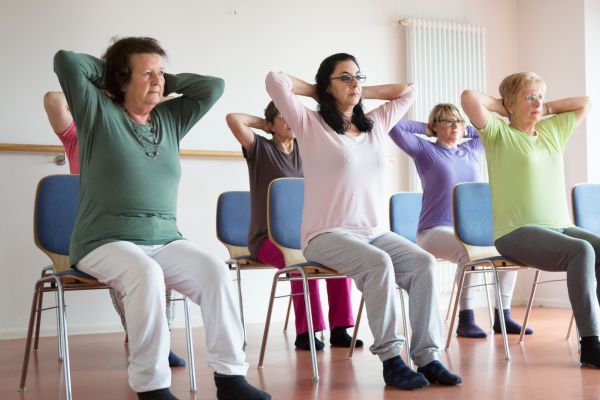
The PowerUP Voice & Movement exercise group offers numerous benefits for individuals with Parkinson's disease and other neurological disorders. Engaging in regular physical activity can improve strength, flexibility, and overall mobility, which are crucial for enhancing quality of life.
Participants often report increased confidence in their physical abilities and a greater sense of community. The structured environment encourages social interaction, which can alleviate feelings of isolation that many face after a diagnosis. Research indicates that exercise can also help in managing symptoms and improving mental health.
How to Participate
Joining the PowerUP Voice & Movement program is straightforward and welcoming to all individuals with neurological disorders. Interested participants can contact Spooner Health Rehabilitation Services to inquire about registration and any prerequisites for joining the group.
Sessions are held monthly, making it easy for individuals to fit them into their schedules. Participants are encouraged to bring a support person if needed, ensuring they feel comfortable and supported throughout the exercises.
Upcoming Schedule
The PowerUP Voice & Movement group meets on the second Wednesday of every month from 11 a.m. to 12:30 p.m. This consistent schedule allows participants to plan ahead and prioritize their attendance.
Each session is designed to focus on different aspects of movement and voice exercises, providing variety and keeping participants engaged. The next session is set for June 10, 2026, at Spooner Health's Lower Level Classrooms A&B, creating an accessible venue for all attendees.
Community Impact
The PowerUP program not only benefits individual participants but also fosters a sense of community among those affected by neurological disorders. By bringing people together, it creates a supportive network where participants can share experiences and encouragement.
Community engagement is vital for emotional well-being, and events like PowerUP help build lasting relationships. The collective experience of overcoming challenges together can lead to improved mental health outcomes and a stronger support system for individuals and their families.
Benefits of PowerUP Voice & Movement
The PowerUP Voice & Movement exercise group offers numerous benefits for individuals with Parkinson's disease and other neurological disorders. Engaging in regular physical activity can improve strength, flexibility, and overall mobility, which are crucial for enhancing quality of life.
Participants often report increased confidence in their physical abilities and a greater sense of community. The structured environment encourages social interaction, which can alleviate feelings of isolation that many face after a diagnosis. Research indicates that exercise can also help in managing symptoms and improving mental health.
How to Participate
Joining the PowerUP Voice & Movement program is straightforward and welcoming to all individuals with neurological disorders. Interested participants can contact Spooner Health Rehabilitation Services to inquire about registration and any prerequisites for joining the group.
Sessions are held monthly, making it easy for individuals to fit them into their schedules. Participants are encouraged to bring a support person if needed, ensuring they feel comfortable and supported throughout the exercises.
Upcoming Schedule
The PowerUP Voice & Movement group meets on the second Wednesday of every month from 11 a.m. to 12:30 p.m. This consistent schedule allows participants to plan ahead and prioritize their attendance.
Each session is designed to focus on different aspects of movement and voice exercises, providing variety and keeping participants engaged. The next session is set for June 10, 2026, at Spooner Health's Lower Level Classrooms A&B, creating an accessible venue for all attendees.
Community Impact
The PowerUP program not only benefits individual participants but also fosters a sense of community among those affected by neurological disorders. By bringing people together, it creates a supportive network where participants can share experiences and encouragement.
Community engagement is vital for emotional well-being, and events like PowerUP help build lasting relationships. The collective experience of overcoming challenges together can lead to improved mental health outcomes and a stronger support system for individuals and their families.