


How Modern Lab Testing Improves Early Detection of Diseases
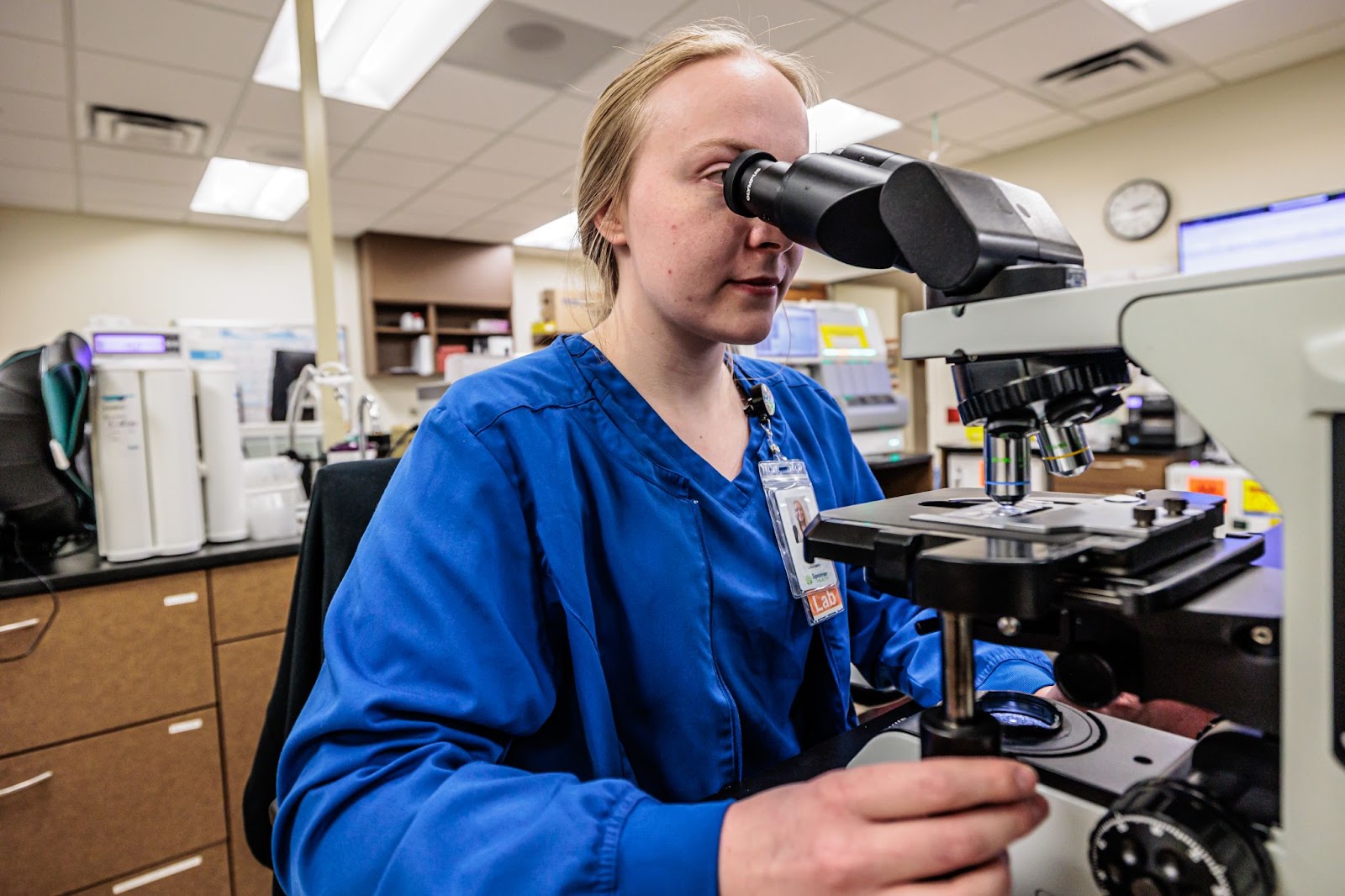
In today’s fast-paced world, early detection is one of the most powerful tools in modern medicine. Advances in lab testing have transformed the way we diagnose and treat illnesses, helping doctors detect diseases in their earliest stages often before symptoms even begin. From diabetes and cancer to infections and autoimmune disorders, modern lab tests give healthcare providers the insight they need to act quickly and effectively.
The Power of Early Detection
Catching a disease early can make all the difference. When conditions are identified before they progress, treatment is typically more effective, less invasive, and more affordable. Early detection can slow or stop the disease entirely and, in many cases, prevent long-term complications.
Thanks to innovations in lab technology, routine screenings are now more accurate, faster, and able to detect subtle changes in the body. These changes often signal the very beginning of a health issue, long before you might feel sick.
Common Conditions Detected Early Through Lab Testing
Diabetes:
Simple blood tests like fasting glucose or A1C levels can spot prediabetes and diabetes early on. When caught early, lifestyle changes and medication can help manage or even reverse the condition before complications like heart disease, nerve damage, or kidney failure develop.
Cancer:
Some cancers, including prostate, colorectal, cervical, and breast cancer, can be detected early through blood work, biopsies, or specialized lab screenings. Tumor markers and genetic testing can also identify people at higher risk, prompting earlier and more frequent screenings.
Infections:
Whether it’s strep throat, urinary tract infections, or more complex conditions like hepatitis or HIV, lab testing can detect infections early. Early identification means faster treatment, reduced transmission, and better outcomes.
Thyroid and Hormonal Disorders:
Thyroid issues can be subtle but have a major impact on energy, metabolism, and mood. Blood tests can check hormone levels and help pinpoint thyroid disorders before they lead to more serious health problems.
Autoimmune Diseases and Nutritional Deficiencies:
Modern labs can now test for markers of inflammation, autoimmune activity, and nutrient levels, helping diagnose conditions like rheumatoid arthritis, lupus, anemia, and more, even in their earliest stages.
How Modern Labs Are Making a Difference
Improvements in testing methods, automation, and diagnostic tools have greatly increased accuracy and reduced wait times for results. Many tests can now deliver same-day or next-day results, giving patients and providers more time to act.
At the same time, precision testing allows healthcare teams to tailor treatment plans to individual needs. Rather than a one-size-fits-all approach, your care becomes more personal, targeted, and effective.
Routine Screenings Save Lives
One of the most important steps in early detection is getting tested regularly. Routine lab work is a cornerstone of preventive care, especially for individuals with risk factors like family history, age, or chronic conditions.
Even if you feel healthy, regular screenings can catch silent issues before they become serious. Preventive testing isn’t just about detecting disease, it’s about protecting your future.
Spooner Health: Advanced Lab Testing Close to Home
At Spooner Health, we understand the value of timely and accurate lab results. By being one of the few rural hospitals in the area equipped with the latest diagnostic tools to perform in-house microbiology, Spooner Heath can deliver reliable results quickly and efficiently. Whether you need routine bloodwork, specialized testing, or follow-up diagnostics, our skilled team is here to support you and your healthcare provider every step of the way.
Your health is too important to leave to chance. By partnering with your provider and using Spooner Health’s advanced lab services, you’re taking a proactive step toward a healthier tomorrow.
Talk to your doctor today about scheduling a lab appointment at Spooner Health. Early detection starts with a simple test, and it could make all the difference.